
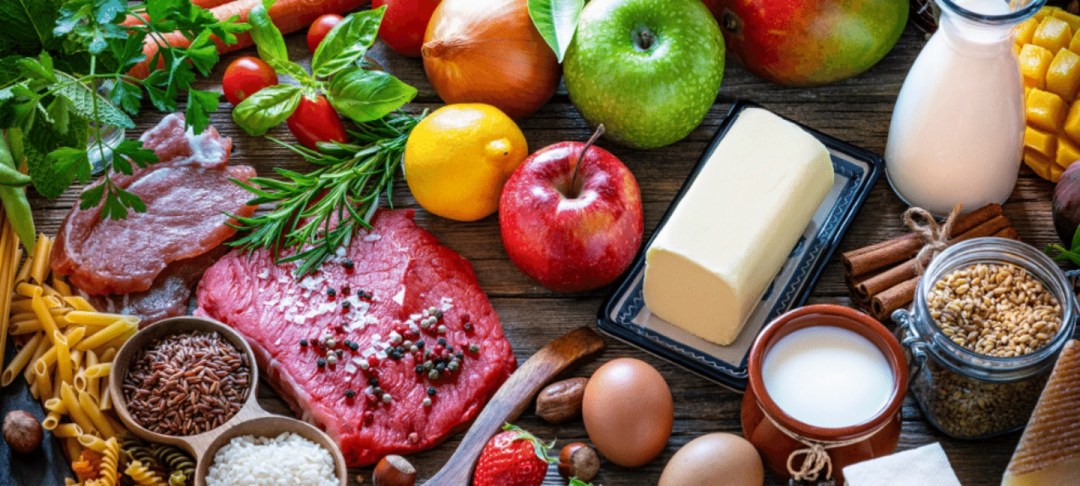
Introduction: More Than Just Fuel
Food is far more than a biological necessity. It is an expression of culture, history, identity, and emotion. Across the world, food connects us—to each other, to the past, and to the land. Whether enjoyed at a lavish banquet or during a humble meal at home, food holds the power to delight the senses, stir memories, and communicate love. In this article, we’ll explore the layered meanings of food, its global diversity, its cultural symbolism, and its evolving role in our lives today.
The Cultural Tapestry Woven Through Food
From the spice-laden curries of India to the refined simplicity of Japanese sushi, every cuisine tells a story. Food acts as a living archive, preserving traditions and reflecting the values of the people who prepare and consume it.
How food reflects culture:
-
Ingredients tell a story: Indigenous crops and locally available ingredients shape regional cuisines. For example, rice is a staple in many Asian cultures, while wheat dominates Western dishes.
-
Traditions live on in recipes: Many dishes are handed down through generations, carrying the flavors of history and familial bonds.
-
Religious and ceremonial foods: From kosher and halal dietary laws to feasting during Diwali or Ramadan, food rituals are deeply tied to spiritual beliefs.
Food does not just sustain the body—it anchors communities and gives continuity to cultural identity.
The Emotional Resonance of Taste
Taste is arguably the most evocative of the senses. A single bite can transport a person back to childhood, trigger memories of a loved one, or recreate the warmth of a long-forgotten celebration. The emotional bond between people and food is powerful, intimate, and universal.
Consider these scenarios:
-
The scent of freshly baked bread bringing comfort during a stressful day.
-
A mother’s homemade soup offering solace during an illness.
-
A romantic dinner marking a milestone in a relationship.
This emotional depth is what elevates food from nourishment to experience.
Food as a Global Language
Despite vast cultural differences, food is a universal connector. Shared meals often bridge gaps in language and tradition, creating common ground.
Culinary diplomacy—also known as “gastrodiplomacy”—has even emerged as a formal practice, where nations use cuisine to promote understanding and goodwill. Thai food festivals abroad, for instance, introduce global diners to the nuances of Thai culture.
In our increasingly interconnected world, fusion cuisine is becoming more common, blending flavors and techniques from multiple culinary traditions to create innovative dishes that reflect global diversity.
The Evolution of Eating: From Survival to Sustainability
In modern times, how we consume food has shifted dramatically. Once focused on survival, today’s food culture is driven by convenience, health consciousness, and sustainability.
Modern food trends include:
-
Plant-based diets: As awareness of environmental impact grows, many are adopting vegetarian or vegan lifestyles.
-
Farm-to-table movements: Consumers are showing increased interest in sourcing ingredients locally and ethically.
-
Artisanal and slow food: A counterpoint to fast food culture, slow food celebrates craftsmanship and intentionality.
With climate change and food insecurity looming, the future of food will depend heavily on innovation, policy reform, and conscious consumer choices.
The Social Experience of Eating
Food often serves as the backdrop for life’s most significant moments. Weddings, holidays, reunions, and even funerals are often centered around meals. The simple act of eating together fosters connection, creates intimacy, and strengthens social bonds.
Key social roles of food:
-
Hospitality: Offering food is a universal gesture of welcome and generosity.
-
Celebration: No birthday or festival feels complete without a feast.
-
Unity: In many cultures, communal meals signify equality and shared identity.
In both grand and everyday contexts, food creates a space for people to gather, talk, and relate.
Nutrition and Wellness: A Balanced Relationship
While food brings joy, it also plays a critical role in health. A balanced diet supports mental clarity, physical energy, and emotional stability. Yet with the abundance of processed and calorie-dense foods, navigating healthy choices has become more complex.
Nutrition insights for modern living:
-
Prioritize whole foods—fruits, vegetables, legumes, grains.
-
Limit added sugars and saturated fats, which are often hidden in packaged foods.
-
Understand portion control and listen to hunger cues, a principle common in many traditional diets.
Mindful eating encourages a healthier relationship with food—one rooted in awareness, gratitude, and moderation.
Conclusion: Celebrating the Human Story Through Food
Food, in all its variety and richness, is a testament to human ingenuity, adaptability, and creativity. It is both deeply personal and profoundly communal. Every dish served and every recipe passed down is a story—a narrative of survival, joy, celebration, and identity.
In a world often fragmented by difference, food remains a constant unifier. It invites us to sit down, share, and savor not just what’s on our plate, but the rich cultures, memories, and emotions it represents.
Let us not only eat, but truly appreciate the journey behind every meal. Because in doing so, we celebrate far more than flavors—we honor the essence of being human.

 News Pulse Blog