
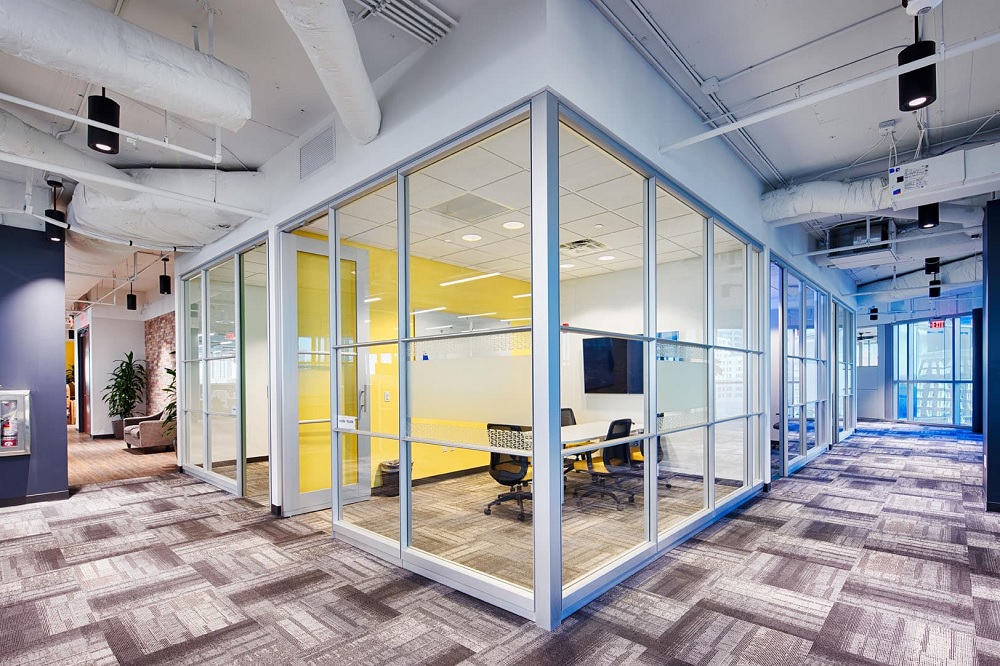
Commercial spaces often need to be customized before they can fully support the needs of a new tenant or growing business. Whether the project involves an office, retail store, medical suite, restaurant, or industrial workspace, the interior must be built around function, safety, workflow, and customer experience. Well-planned Tenant Improvement Solutions help transform an existing space into a practical, polished, and business-ready environment that aligns with the tenant’s goals while meeting building standards and operational requirements.
Understanding Tenant Improvement Projects
Tenant improvement projects focus on modifying or upgrading commercial interiors to better serve a specific business use. These improvements may include walls, flooring, lighting, ceilings, electrical systems, plumbing, HVAC adjustments, accessibility updates, finishes, and layout changes. In many cases, the existing space provides the basic structure, but the interior must be adapted to support the tenant’s daily operations.
A successful tenant improvement project begins with understanding how the business will use the space. An office may need private rooms, collaboration areas, conference spaces, and technology infrastructure, while a retail location may require customer-facing displays, storage, lighting, and checkout areas. Medical, restaurant, and specialty commercial spaces often require even more detailed planning because of utility needs, code requirements, and specific operational workflows.
Why Planning Matters in Tenant Improvements
Strong planning helps prevent delays, budget issues, and construction challenges during the improvement process. Before work begins, the project team must evaluate the existing conditions of the space, review building systems, identify permit requirements, and coordinate the intended design with construction feasibility. This early planning stage helps clarify what can be done, what must be upgraded, and what steps are needed to complete the project efficiently.
Tenant improvements often involve working within an existing building, which can create unique challenges. Hidden structural conditions, outdated utilities, limited access, or shared building systems may affect the construction process. A detailed approach allows the contractor to anticipate potential issues and keep the project moving with better coordination.
Building Spaces Around Business Operations
The best commercial interiors are designed to support how a business actually functions. Layout, circulation, lighting, finishes, and mechanical systems all affect productivity, customer experience, and employee comfort. A well-executed improvement project does more than make a space look finished; it helps the business operate more smoothly.
Coordinating Construction with Design Intent
Tenant improvement work requires close coordination between design plans, building codes, landlord requirements, and construction execution. Contractors must ensure that the finished space reflects the intended design while also meeting safety, accessibility, and performance standards. This includes coordinating trades such as electrical, plumbing, framing, drywall, flooring, painting, and mechanical work in the proper sequence.
When these details are managed carefully, the result is a commercial space that feels cohesive, functional, and ready for daily use. Proper coordination also helps reduce disruption, especially when businesses are working with tight opening schedules or phased construction needs.
The Role of Quality Materials and Finishes
Commercial interiors experience daily wear, so materials should be selected for both appearance and durability. Flooring, wall finishes, lighting fixtures, counters, doors, and millwork must support the overall look of the space while standing up to regular use. Choosing the right materials helps create a professional environment that reflects the business while supporting long-term performance.
Long-Term Value Through Better Execution
Quality workmanship is essential in tenant improvement projects because small details can affect the overall functionality and appearance of the finished space. Proper installation, clean finishes, accurate measurements, and durable construction methods help create a stronger result. Thoughtful Tenant Improvement Solutions can also reduce future maintenance issues by addressing infrastructure, layout, and finish details correctly from the beginning.
Supporting Business Growth with Better Spaces
As businesses evolve, their physical spaces must often evolve with them. Tenant improvements can help companies expand, modernize, improve workflow, upgrade customer-facing areas, or adapt an existing space for a completely new use. A well-built commercial interior can support brand identity, employee efficiency, and customer confidence.
From early planning to final finishes, tenant improvement construction requires a balance of technical knowledge, practical coordination, and attention to business needs. When handled with care, the process can turn an empty or outdated space into a functional environment that supports long-term success. For businesses preparing to open, relocate, or improve their commercial space, the right construction approach can make the project more efficient, organized, and valuable.

 News Pulse Blog