
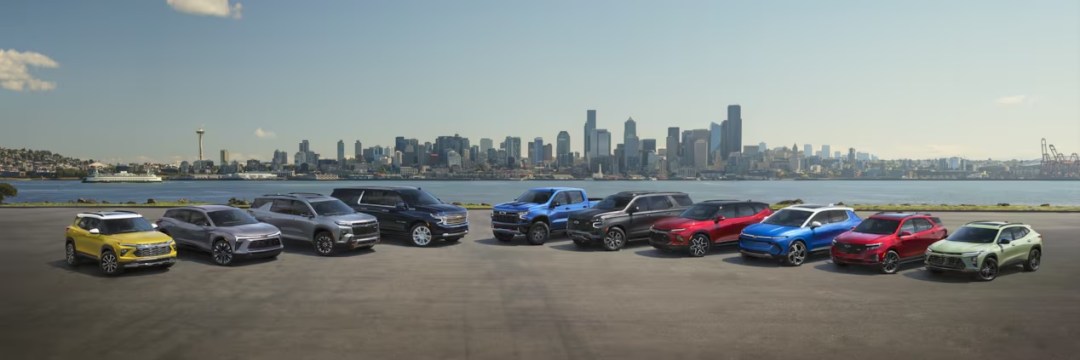
Introduction: More Than Just a Machine
In the early days of its invention, the automobile was a marvel—an eccentric piece of engineering promising freedom, speed, and modernity. Over a century later, the auto has transformed into something far more profound: a symbol of cultural identity, a beacon of technological innovation, and a platform for sustainable mobility. No longer merely a tool for getting from A to B, today’s auto embodies the dynamic fusion of design, data, and environmental consciousness.
This new age—what one might aptly call an auto renaissance—is reshaping not only how we travel, but how we live.
A Brief Journey Through Time
The evolution of the automobile is a testament to human ingenuity. Its story is interwoven with industrial revolutions, economic cycles, wars, and globalization. What began as a noisy, cumbersome machine has become a sophisticated, intelligent companion on the road.
Key Historical Milestones:
-
1886: Karl Benz patents the first gasoline-powered car.
-
1908: The Ford Model T introduces mass automobile production.
-
1950s–1970s: Post-war boom leads to iconic design eras in Europe and America.
-
1990s: Japanese manufacturers revolutionize reliability and efficiency.
-
2000s onward: Electric, hybrid, and autonomous vehicles emerge.
Each chapter in the automobile’s history reflects societal changes—whether it’s the rise of suburbia, the oil crises, or the current climate emergency.
The Modern Auto: A Symbiosis of Tech and Design
Today’s automobiles are vastly different from their predecessors. They are not simply transportation devices—they are smart machines, equipped with sensors, computers, cameras, and a host of digital features designed to enhance performance and safety.
Innovations Driving the Modern Auto:
-
Electrification: A shift from combustion engines to battery-powered drivetrains.
-
Advanced Driver-Assistance Systems (ADAS): Lane keeping, adaptive cruise control, and emergency braking.
-
Infotainment and Connectivity: Integration with smartphones, voice control, and real-time navigation.
-
Over-the-Air Updates: Software-driven improvements, much like smartphones.
-
Sustainable Materials: Use of recycled plastics, plant-based foams, and eco-friendly fabrics in interiors.
The automobile has become a rolling computer, a place where technology meets tactile craftsmanship.
The Rise of the Electric Vehicle (EV)
Perhaps the most transformative development in recent automotive history is the rise of the electric vehicle. Once considered a niche or a novelty, EVs are now commanding center stage.
Why EVs Matter:
-
Environmental Responsibility: Zero tailpipe emissions help combat urban pollution and climate change.
-
Energy Efficiency: Electric motors convert over 85% of energy into motion, compared to about 20% for gasoline engines.
-
Lower Maintenance: Fewer moving parts mean reduced long-term upkeep.
From luxury EVs like the Lucid Air and Tesla Model S to budget-friendly options like the Nissan Leaf or Chevrolet Bolt, there’s an electric vehicle suited to nearly every driver. And with advancements in battery technology and charging infrastructure, EVs are no longer constrained by range anxiety or convenience.
Autonomy: The Self-Driving Future
If electrification is the first act of this auto renaissance, autonomy is the second. The dream of a car that drives itself has long tantalized futurists. Now, with the rise of machine learning and artificial intelligence, that vision inches closer to reality.
Levels of Vehicle Autonomy:
-
Level 1–2: Driver-assist features (common today).
-
Level 3: Conditional automation in controlled environments.
-
Level 4–5: Fully autonomous, no human intervention required.
Major players like Waymo, Tesla, and traditional automakers are investing billions in this future. Though regulatory and ethical questions remain—such as liability and the decision-making framework in emergency scenarios—the promise of safer, more efficient roads is hard to ignore.
A Changing Relationship: From Ownership to Access
For over a century, owning a car was a rite of passage. Today, that paradigm is being challenged. Urbanization, environmental awareness, and technology are giving rise to new models of auto access.
New Mobility Models:
-
Ride-Sharing and Car-Sharing: Uber, Lyft, Zipcar, and other services reduce the need for personal car ownership.
-
Car Subscriptions: Flexible, all-inclusive plans that offer a variety of vehicles.
-
Mobility-as-a-Service (MaaS): Integrates multiple forms of transport—car, bus, rail—into a seamless user experience.
Younger generations are showing a preference for convenience over ownership, and automakers are adapting by repositioning themselves as mobility providers rather than mere car manufacturers.
Sustainability: The New Auto Ethos
Modern autos are not only designed to perform—they’re designed to tread lightly on the planet. Sustainability now sits at the heart of automotive philosophy, influencing everything from materials to manufacturing processes.
Key Sustainability Trends:
-
Carbon-Neutral Factories: Automakers like BMW and Volvo are building carbon-neutral production plants.
-
Recycled and Renewable Materials: Seats made from ocean plastic, dashboards crafted from reclaimed wood.
-
Circular Economy Practices: Vehicle components designed for disassembly, reuse, and recycling.
As the global climate dialogue intensifies, the auto industry is aligning with broader environmental goals, playing a pivotal role in shaping a low-carbon future.
Looking Ahead: Challenges and Opportunities
While the future of the auto is undoubtedly exciting, it comes with significant challenges. Infrastructure, regulation, data security, and consumer trust must all evolve alongside the vehicles themselves.
Areas of Concern:
-
Charging Infrastructure: Expanding and standardizing EV charging networks.
-
Cybersecurity: Protecting connected vehicles from hacking threats.
-
Data Privacy: Balancing functionality with ethical data use.
-
Global Supply Chains: Navigating material shortages and geopolitical tensions.
Yet in each challenge lies opportunity. The next decade may see not only technological leaps but also new partnerships between automakers, tech firms, cities, and governments.
Conclusion: The Auto Reimagined
The automobile is undergoing a profound transformation—one that transcends engineering to touch every aspect of modern life. It is no longer merely about power and performance, but about intelligence, sustainability, and adaptability. The auto of today—and tomorrow—is a quiet, electric, possibly driverless machine that’s deeply embedded in our digital ecosystem.
But at its core, it remains what it always was: a vehicle of possibility, a reflection of our progress, and a testament to our endless drive to move forward.
In this new era, to understand the auto is not just to examine a machine—but to glimpse the future of humanity in motion.

 News Pulse Blog