
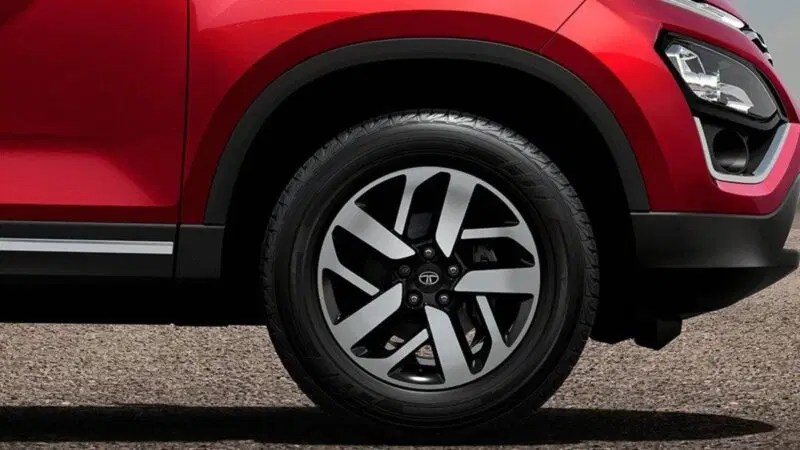
Introduction: More Than Metal and Motion
The automobile, often referred to simply as the “auto,” has evolved far beyond its mechanical roots. What was once a utilitarian machine built for movement is now a nexus of innovation, design, and digital intelligence. In an era increasingly defined by climate consciousness, urban density, and artificial intelligence, the auto is being reimagined to suit not only the roads we travel but the values we uphold. No longer is the automobile merely a tool for transportation—it is a reflection of technological progress and societal change.
From Invention to Institution: A Brief Historical Perspective
To fully grasp the modern automobile, it is essential to understand its origins. The first self-propelled vehicles emerged in the late 19th century, most notably with Karl Benz’s Patent-Motorwagen in 1886. Initially seen as a novelty for the wealthy elite, the auto soon became a staple of daily life, thanks in large part to Henry Ford’s assembly line innovation in 1913, which made car ownership accessible to the masses.
Pivotal Moments in Automotive History:
-
1886: Karl Benz introduces the first gasoline-powered vehicle.
-
1908: The Ford Model T launches mass-market automotive accessibility.
-
1950s–60s: Design flourishes during the post-war boom, giving rise to iconic models.
-
1970s–80s: Fuel crises and environmental awareness begin to shape industry priorities.
-
2000s–present: Electric, hybrid, and autonomous vehicles redefine the market.
Over the decades, the auto has not only adapted to changing technology but also responded to economic, political, and cultural shifts, making it one of the most dynamic inventions in modern history.
The Technological Renaissance: Intelligent Machines on Wheels
Today’s autos are more than engines and wheels—they are intelligent systems. Rapid technological advancements have redefined what it means to drive, maintain, and even interact with a vehicle.
Key Innovations in Modern Automobiles:
-
Advanced Driver Assistance Systems (ADAS): Features such as lane-keeping assist, adaptive cruise control, and blind spot monitoring offer enhanced safety.
-
Integrated Connectivity: Infotainment systems now sync seamlessly with smartphones, offering real-time navigation, voice commands, and app integration.
-
Electric Drivetrains: High-efficiency motors powered by lithium-ion batteries have made electric vehicles (EVs) a compelling alternative to traditional engines.
-
Over-the-Air Software Updates: Much like smartphones, modern cars can receive updates remotely, improving performance and adding new features.
These innovations have turned the car into a digital device—complex, adaptive, and responsive to both driver behavior and external conditions.
The Green Revolution: Driving Toward Sustainability
Environmental sustainability is no longer a fringe concern in the automotive world—it is a central design principle. As the climate crisis intensifies, automakers are under mounting pressure to reduce their environmental footprint, not just in terms of emissions but across the entire lifecycle of the vehicle.
Greener Technologies and Practices:
-
Electric Vehicles (EVs): From compact urban EVs to high-performance luxury models, electric vehicles are reshaping consumer expectations.
-
Hybrid Powertrains: Offering a middle ground between combustion and electric, hybrids remain a practical solution for many drivers.
-
Sustainable Manufacturing: Automakers are adopting renewable energy sources, recycled materials, and water-saving techniques in their factories.
-
Lifecycle Design: Increasing emphasis is being placed on recyclability and modular repairability.
Consumers, too, are evolving—favoring brands and models that align with their environmental values. Governments worldwide are accelerating this transition with policy mandates and financial incentives, aiming to phase out internal combustion engines in favor of zero-emission alternatives.
The Future Is Autonomous: A New Era of Mobility
Autonomous vehicles (AVs) represent one of the most radical shifts in the auto’s long history. While fully self-driving cars are still being refined, the groundwork has already been laid for a future in which driving may be optional—or even obsolete.
Levels of Vehicle Autonomy:
-
Level 1–2: Driver assistance (e.g., steering or acceleration support).
-
Level 3: Conditional automation, where the car can handle most tasks but still needs driver input at times.
-
Level 4–5: Full autonomy, with no driver required under any circumstances.
Companies like Tesla, Waymo, and Mercedes-Benz are investing heavily in AI-driven navigation systems that can make real-time decisions using sensor fusion, machine learning, and vast amounts of driving data. The goal is not only convenience but also safety—removing the human factor from dangerous driving situations.
Mobility Reimagined: From Ownership to Access
The traditional model of individual car ownership is being challenged by new mobility concepts that emphasize access over possession. Especially in urban environments, where congestion and limited parking are major concerns, alternative models are gaining traction.
Emerging Mobility Trends:
-
Ride-Hailing Services: Platforms like Uber and Lyft offer on-demand travel without the costs of ownership.
-
Car Sharing and Subscriptions: Users can rent vehicles by the hour or subscribe to a rotating fleet, tailoring usage to their needs.
-
Mobility-as-a-Service (MaaS): Integrated apps allow users to plan, book, and pay for multi-modal trips using one platform—whether by car, bike, bus, or train.
As technology facilitates these transitions, automakers are expanding their business models to include services, not just products.
Cultural Shifts: The Auto in Society
Beyond its technical attributes, the auto has always been a cultural object. It has symbolized freedom, status, rebellion, and even nostalgia. From James Dean’s Mercury Coupe to the DeLorean in Back to the Future, the car has been etched into the global imagination.
The Auto’s Place in Culture:
-
Music and Film: Car culture permeates everything from road trip anthems to action movies.
-
Design Aesthetics: Automobile design continues to influence architecture, fashion, and even furniture.
-
Collector Communities: Classic cars are cherished not only for their performance but as artifacts of a bygone era.
In many ways, the car is a mirror—reflecting society’s ambitions, anxieties, and innovations.
Conclusion: The Auto as a Catalyst of Change
As we navigate the 21st century, the automobile stands at a fascinating crossroads. It is no longer just about moving people from place to place. The modern auto embodies a convergence of sustainability, software, and societal evolution. It reflects our shifting priorities, our technological prowess, and our collective imagination.
What lies ahead is not a singular path but a network of roads—electric, autonomous, shared, and sustainable—each promising to reshape how we live, work, and travel. In reinventing the automobile, we are, in essence, reinventing ourselves.
The journey is far from over. But one thing is certain: the auto, in all its forms, will continue to drive us forward.

 News Pulse Blog