
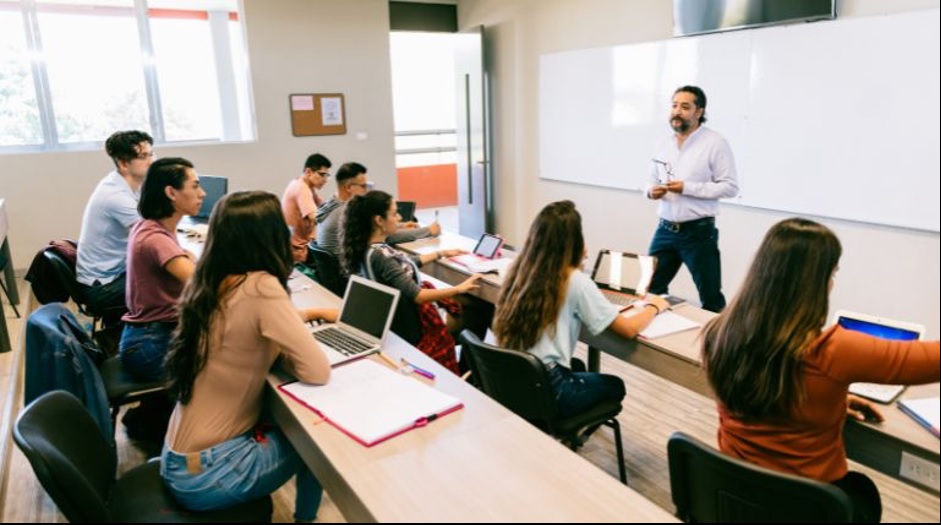
Introduction: Education as a Cornerstone of Civilisation
Education, often regarded as the lifeblood of societal progress, is far more than a system of formal schooling. It is the foundation upon which knowledge, culture, innovation, and ethical values are constructed. In an era marked by rapid technological advancements, shifting global dynamics, and deepening social complexities, the purpose and delivery of education must be reimagined. A truly robust educational system not only imparts academic knowledge but also shapes critical thinkers, ethical citizens, and lifelong learners.
The Evolving Definition of Education
Traditionally, education was seen as a linear process—children attended school, learned prescribed content, and earned credentials that paved the way for employment. Today, this definition feels increasingly inadequate. Education should not be confined to rote memorisation or rigid curricula. It must evolve into a dynamic, adaptive process that embraces curiosity, creativity, and holistic development.
-
Formal vs. Informal Learning: While formal education institutions play a central role, informal learning—through family, travel, community interactions, and digital platforms—is equally influential.
-
Lifelong Learning: In a knowledge-driven world, learning doesn’t end with a diploma. Professionals must continuously reskill and adapt to remain relevant.
-
Education as Empowerment: Beyond employment, education empowers individuals to engage meaningfully with society, participate in democracy, and make informed life choices.
The Moral and Ethical Dimensions of Education
Academic excellence alone does not define an educated individual. A well-rounded education fosters empathy, ethical reasoning, and a sense of responsibility toward others and the environment. Character formation, therefore, should be considered integral to the educational journey.
-
Teaching Values: Schools and universities should be spaces where students explore philosophical questions, engage in dialogue, and cultivate moral judgement.
-
Civic Responsibility: Understanding civic duties, rights, and global challenges prepares learners to contribute constructively to the world.
-
Cultural Sensitivity: In diverse, interconnected societies, education must instil respect for different cultures, religions, and ways of life.
Challenges Facing Modern Education
Despite its critical role, education systems across the globe are fraught with structural issues. These challenges hinder equitable access, quality delivery, and meaningful learning outcomes.
-
Inequality of Access: Socioeconomic disparities often determine the quality of education one receives. Rural, underfunded schools frequently lag behind urban counterparts.
-
Overemphasis on Standardisation: Excessive reliance on standardised testing can stifle creativity and ignore diverse intelligences.
-
Teacher Burnout and Underappreciation: Educators, who form the backbone of any system, often work under immense pressure without adequate support or recognition.
-
Digital Divide: While technology offers great promise, unequal access to digital resources has widened the educational gap in many parts of the world.
Towards a More Inclusive and Progressive Education Model
The future of education must be inclusive, flexible, and aligned with the needs of a globalised world. Institutions must reimagine both what is taught and how it is delivered.
1. Embracing Interdisciplinarity
The real world doesn’t operate in silos, and neither should education. Blending disciplines fosters broader perspectives and more innovative problem-solving skills.
-
Pairing literature with history enhances contextual understanding.
-
Combining science with ethics encourages responsible innovation.
-
Teaching environmental studies alongside economics highlights sustainable development.
2. Integrating Technology Thoughtfully
Technology, when integrated mindfully, can enhance both access and engagement. However, digital learning should not replace human interaction—it should complement it.
-
Interactive platforms and gamified learning can boost motivation.
-
Artificial Intelligence can help personalise learning experiences.
-
Hybrid models can serve remote areas more efficiently.
3. Cultivating Emotional Intelligence
Success in the 21st century relies heavily on soft skills. Schools must invest in programs that teach:
-
Communication and collaboration
-
Conflict resolution
-
Self-awareness and resilience
4. Strengthening Teacher Support
Teachers must be viewed as continuous learners and nation-builders. Supporting them means:
-
Offering ongoing professional development
-
Ensuring manageable workloads
-
Encouraging autonomy in pedagogical methods
The Role of Parents and Communities
Education is not the sole responsibility of schools. Families and communities play a crucial role in nurturing inquisitiveness and values.
-
Parental Involvement: Engaged parents foster a love for learning at home.
-
Community Engagement: Real-world projects, local mentorships, and collaborative events bridge the gap between theory and practice.
Reimagining Success in Education
Perhaps the most fundamental shift required is in our definition of success. True educational success is not merely measured in grades or degrees but in one’s ability to live a meaningful, thoughtful, and socially responsible life.
Success Redefined:
-
A student who questions conventional wisdom with curiosity.
-
An entrepreneur who innovates with integrity.
-
A citizen who participates actively in democratic processes.
-
A scientist who pursues breakthroughs with a conscience.
Conclusion: Toward a Human-Centred Future
Education must transcend the confines of exams and employment. It must prepare individuals not just for work, but for life. In this light, the classroom becomes not just a place of instruction, but a crucible for character, culture, and conscience. As we stride further into the complexities of the 21st century, our educational systems must evolve—rooted in values, propelled by curiosity, and guided by a vision that places humanity at its core.
The future belongs not to the most memorised, but to the most mindful. And education, when done right, will light that path forward.

 News Pulse Blog