
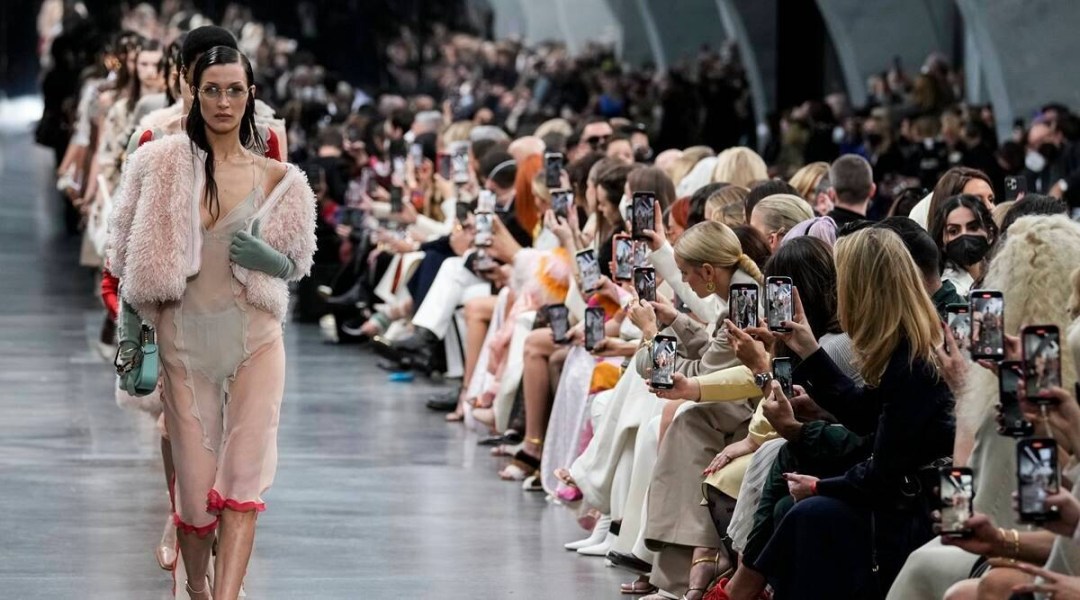
Introduction: Fashion as a Living Language
Fashion is often seen as fleeting—a seasonal indulgence driven by magazines, influencers, and runway spectacles. Yet beneath the gloss and glamour lies a profound human impulse: the desire to express, to belong, to rebel, and to communicate without words. Fashion is more than clothing. It is a language of fabric, color, silhouette, and intention, and like any language, it evolves with society, constantly adapting to reflect who we are and where we are going.
At its core, fashion tells stories—not only of beauty and creativity but of resilience, revolution, and identity. It reflects our collective consciousness and our private dreams. From ceremonial robes and tribal patterns to minimalist tailoring and digital couture, fashion mirrors the heartbeat of humanity.
The History of Fashion: From Necessity to Artistry
The journey of fashion begins with function. Long before catwalks and couture, human beings dressed for survival. Over time, those early coverings transformed into symbols of culture, class, and innovation.
Ancient Inspirations
-
Egypt and Mesopotamia: Clothing reflected climate, class, and divinity. Linen garments were worn by the elite, and accessories like collars and amulets signified status and spiritual beliefs.
-
Greece and Rome: Draped tunics and togas represented civic pride and personal philosophy, with form and function intricately aligned.
Medieval and Renaissance Eras
-
The Middle Ages brought structure and symbolism to attire, with embroidered coats of arms and elaborate headdresses distinguishing rank and allegiance.
-
The Renaissance saw fashion become a canvas of extravagance. Lavish fabrics, opulent dyes, and precise tailoring signaled not just wealth, but intellect and artistic sensibility.
Industrial Revolution and Beyond
The 19th and 20th centuries marked a dramatic shift. Mechanized production made fashion accessible to the masses, while each subsequent decade cultivated its own aesthetic identity:
-
1920s: The flapper era embodied liberation and jazz-fueled energy.
-
1960s: Youth culture exploded with psychedelic prints and mod silhouettes.
-
1980s: Power dressing reigned, reflecting corporate ambition and cultural excess.
-
1990s and 2000s: Minimalism, grunge, and streetwear disrupted traditional norms.
Every stitch from history tells a story of changing values, ideologies, and aspirations.
Fashion as a Cultural Mirror
Fashion does not occur in a vacuum. It is influenced by—and in turn influences—social movements, politics, technology, and the arts. What we wear often speaks louder than what we say.
Fashion and Social Commentary
-
Civil Rights and Black Power Movements: Afrocentric fashion became a form of pride and protest, with dashikis, natural hair, and African prints asserting identity.
-
Feminist Movements: From bloomers in the 19th century to the pantsuit revolution of the 1970s, fashion has been a tool of liberation for women.
-
LGBTQ+ Expression: Queer communities have redefined gender norms in fashion, embracing fluidity, and using style as both resistance and celebration.
Cultural Identity and Tradition
-
Fashion allows individuals to connect with their heritage. Garments like the sari, hanbok, kaftan, and kente cloth carry deep cultural narratives, often passed from one generation to the next.
-
In diaspora communities, traditional dress becomes a powerful reminder of origin and belonging, blending ancient symbolism with contemporary adaptation.
The Personal Power of Style
Fashion is also deeply personal. It empowers us to construct our identities, signal our beliefs, and shape how we wish to be perceived.
Self-Expression Through Clothing
Each outfit is a form of storytelling. Whether consciously curated or spontaneously chosen, our wardrobe choices often reveal:
-
Mood: Bright colors may suggest optimism, while darker tones can convey introspection.
-
Personality: Bold patterns reflect confidence; classic tailoring may suggest discipline.
-
Lifestyle: A preference for comfort over couture, or sneakers over stilettos, can hint at values and priorities.
Style as Identity
Fashion enables the creation of style tribes—groups united by shared aesthetic codes. Think punks, goths, preppies, hip-hop heads, or eco-conscious minimalists. These communities use fashion to define themselves and communicate belonging.
The Role of Designers: Visionaries Behind the Seams
Fashion designers are more than creators of clothes. They are cultural curators, artists, and commentators who shape how we see beauty and express identity.
Influential Designers Who Changed the Game
-
Coco Chanel: Stripped away corsetry and gave women freedom, comfort, and elegance with her little black dress and structured suits.
-
Yves Saint Laurent: Introduced tuxedos for women, challenging gender norms and celebrating androgyny.
-
Rei Kawakubo: Created conceptual pieces that challenged Western ideals of beauty and symmetry.
-
Virgil Abloh: Blurred the lines between luxury and streetwear, opening doors for inclusivity and modern relevance.
Designers do not just follow trends—they create new ways of seeing the world.
The Ethics of Fashion: A Changing Conversation
Fashion, for all its creativity and cultural clout, has also come under scrutiny for its environmental and ethical impact. Fast fashion, in particular, has raised urgent questions.
The Cost of Fast Fashion
While affordable clothing may appear democratic, it often comes with hidden costs:
-
Labor Exploitation: Garment workers in developing countries frequently face low wages, long hours, and unsafe conditions.
-
Environmental Harm: The industry is one of the largest polluters, contributing to water waste, microplastic pollution, and carbon emissions.
-
Overproduction and Waste: Trends shift rapidly, leading to disposable garments and overflowing landfills.
The Rise of Conscious Fashion
Fortunately, change is underway. Consumers and brands alike are reimagining fashion with integrity and intention:
-
Sustainable Materials: Organic cotton, recycled polyester, and innovative textiles like mushroom leather are gaining traction.
-
Slow Fashion: Emphasizes timeless design, durability, and mindful consumption.
-
Transparency and Accountability: More brands are offering insight into their supply chains and committing to fair labor practices.
Fashion can be beautiful and responsible—it simply requires commitment and creativity.
Fashion in the Digital Age: New Frontiers
Technology is reshaping the fashion landscape in revolutionary ways.
Social Media’s Influence
Platforms like Instagram, TikTok, and Pinterest have democratized influence. Today, a teen in Tokyo can start a global trend overnight. Fashion is no longer dictated solely by designers and editors—it is a global, crowd-sourced phenomenon.
Virtual and Digital Fashion
-
Digital Runways: Brands now host shows in virtual spaces, reaching wider audiences.
-
NFT Fashion: Blockchain technology is introducing collectible digital garments.
-
Augmented Reality (AR): Allows users to “try on” outfits digitally before buying.
The future of fashion may be just as virtual as it is physical.
Conclusion: A World Woven in Fabric
Fashion is not merely about what’s new—it’s about what matters. It is an evolving dialogue between self and society, history and innovation, body and soul. It holds the power to uplift, transform, and connect us. From the ceremonial to the everyday, fashion reveals who we are, what we value, and how we envision the world.
As we move forward, let us choose fashion that not only flatters but empowers; not just trends, but truths—woven thoughtfully into every thread we wear.

 News Pulse Blog