
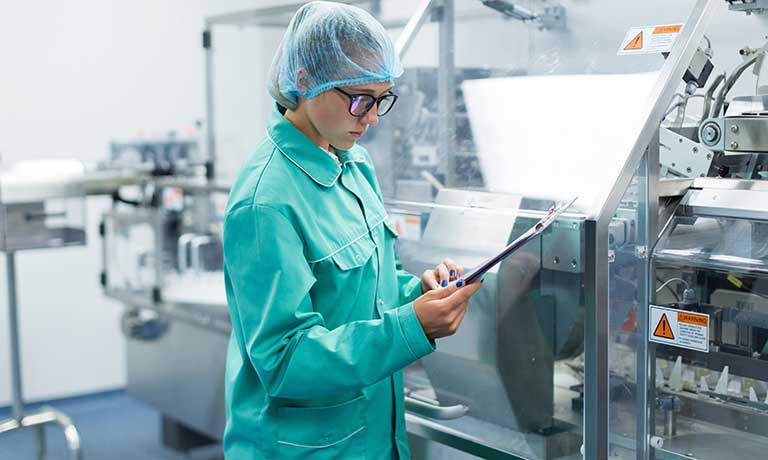
The pharmaceutical industry plays a critical role in improving and protecting human health. Every medication produced has the potential to impact patients, families, and communities. While technology, compliance, and operational efficiency remain essential components of pharmaceutical manufacturing, another factor often separates industry leaders from the rest: purpose. Read More
Purpose-driven pharmaceutical manufacturing goes beyond producing medications at scale. It creates a culture where quality, innovation, and patient outcomes are at the center of every decision. When organizations align their operations with a meaningful mission, they are often better equipped to deliver consistent results while maintaining the highest standards of excellence.
Looking Beyond Production Metrics
Many pharmaceutical companies measure success through production volumes, financial performance, and operational efficiency. While these indicators are important, they do not tell the complete story.
A purpose-driven manufacturer recognizes that every product reaching the market will eventually be used by a patient who depends on that treatment. This perspective changes how organizations approach quality control, process improvement, employee development, and long-term investment.
Rather than focusing solely on output, purpose-oriented companies emphasize reliability, accountability, and patient safety throughout every stage of production. This mindset helps create a stronger foundation for sustainable growth while supporting better healthcare outcomes.
Quality as a Core Responsibility
Quality is one of the most important pillars of pharmaceutical manufacturing. A single quality issue can affect supply chains, delay treatments, and potentially impact patient health.
Organizations that operate with a strong sense of purpose often view quality as more than a regulatory requirement. Instead, it becomes a responsibility that influences every department and every employee. From manufacturing operations and validation teams to quality assurance and regulatory professionals, everyone understands the importance of maintaining rigorous standards.
When quality becomes part of company culture rather than simply a compliance obligation, organizations are better positioned to prevent issues before they occur and maintain trust with customers, healthcare providers, and patients.
Innovation with Patient Outcomes in Mind
Innovation continues to shape the future of pharmaceutical manufacturing. New technologies, advanced automation, data analytics, and improved manufacturing systems are helping companies increase efficiency while enhancing product quality.
However, innovation is most valuable when it serves a meaningful purpose. The goal is not simply to adopt new technologies but to improve patient access, strengthen supply reliability, and support better treatment outcomes.
Manufacturers that embrace this approach invest in solutions that improve production consistency, enhance safety, and enable the development of increasingly complex therapies. By connecting innovation to patient needs, organizations can create long-term value that extends far beyond operational improvements.
Building a Culture of Purpose
A purpose-driven organization is built on its people. Employees who understand the impact of their work are often more engaged, motivated, and committed to achieving excellence.
In pharmaceutical manufacturing, every role contributes to the final outcome. Whether an employee works in engineering, quality control, production, logistics, or administration, their efforts help ensure that patients receive safe and effective medications.
Creating a culture that emphasizes purpose helps strengthen collaboration across departments and encourages individuals to take ownership of their responsibilities. This collective commitment often results in stronger performance, improved quality outcomes, and a greater ability to adapt to industry challenges.
Strengthening Trust Through Reliability
Healthcare providers, pharmaceutical companies, and patients depend on reliable manufacturing partners. Supply interruptions can create significant challenges, particularly for individuals who rely on ongoing therapies to manage chronic conditions.
Purpose-driven manufacturers understand the importance of maintaining dependable operations and delivering products consistently. This commitment to reliability helps strengthen customer relationships and contributes to a more stable healthcare system overall.
When organizations prioritize both operational excellence and patient impact, they create a level of trust that cannot be achieved through production capacity alone.
The Future of Pharmaceutical Manufacturing
As the pharmaceutical industry continues to evolve, the most successful manufacturers will likely be those that combine advanced technology with a clear sense of purpose. Quality systems, innovation, compliance, and operational efficiency will always remain important, but they are most effective when guided by a mission that focuses on improving lives.
Purpose-driven pharmaceutical manufacturing creates benefits that extend throughout the healthcare ecosystem. It supports patients, strengthens partnerships, encourages innovation, and fosters a culture of excellence across the organization.
Ultimately, pharmaceutical manufacturing is about more than producing medications. It is about helping people access the treatments they need and supporting healthier communities around the world. Organizations that keep this purpose at the center of their operations will continue to play an essential role in shaping the future of healthcare.
Based on the themes of purpose, quality, innovation, culture, patient focus, and pharmaceutical manufacturing discussed by Ritedose in its May 22, 2026 article.

 News Pulse Blog