
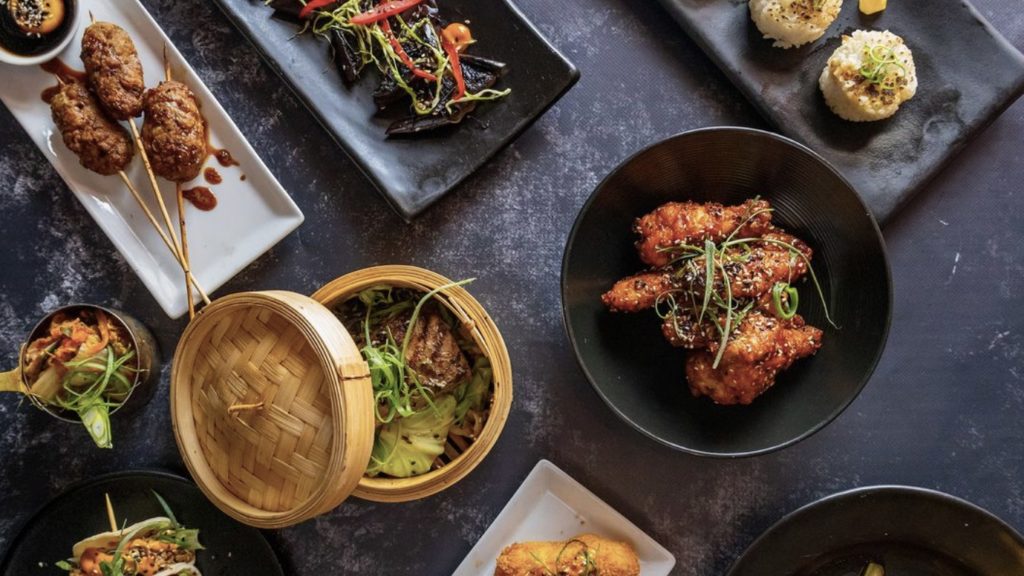
Introduction: More Than Mere Sustenance
Food is far more than a basic necessity—it is culture, history, memory, and identity served on a plate. In every corner of the world, the act of eating and sharing meals binds people in ways that transcend language, geography, and even time. Whether it’s the comfort of a home-cooked dish or the discovery of a new flavor abroad, food plays a central role in shaping how we live and connect. To explore food is to embark on a journey that encompasses human creativity, resilience, and communal spirit.
The Cultural Compass: Food as a Marker of Heritage
From the ceremonial dishes of East Asia to the rustic breads of Europe, food is one of the most tangible expressions of culture. Each ingredient, method, and flavor profile tells a story of migration, climate, religion, and local values.
A Taste of Tradition
Consider the Japanese tea ceremony, a ritualistic performance where every movement, from pouring to sipping, carries centuries of tradition. Or think of the rich Moroccan tagine, a dish simmered slowly to coax deep flavors—a reflection of hospitality and time-honored technique.
Many traditional dishes were born out of necessity but evolved into beloved staples:
-
Polenta in Italy: Originally a peasant food made from cornmeal, now elevated in fine dining.
-
Kimchi in Korea: A preservation method turned national treasure.
-
Gumbo in Louisiana: A culinary symphony blending African, French, and Native American influences.
Each plate holds layers of identity, shaped by generations and geography.
The Emotional Palette: How Food Evokes Memory and Emotion
There is perhaps no greater catalyst for memory than the scent of a familiar dish. One whiff of cinnamon, the crackle of frying onions, or the silky warmth of a favorite soup can bring childhood rushing back with vivid immediacy.
Culinary Nostalgia
Food is deeply entwined with our emotions. It comforts us in sorrow, celebrates our achievements, and often defines our relationships. Think of a grandmother’s kitchen—the warm flour-dusted air, the clang of spoons, the unmistakable scent of a cherished recipe passed down over decades.
Scientific studies have even linked the olfactory senses involved in eating to memory and emotional response. That’s why a single bite can sometimes move us to tears—it connects us to a moment that has long since passed but was never forgotten.
The Global Table: Fusion, Innovation, and the Modern Food Renaissance
In our globalized age, food has become a powerful conduit for exploration and innovation. Chefs today are not just cooks but artists and storytellers, blending traditions and techniques from around the world to craft something entirely new.
The Rise of Culinary Fusion
The blending of cuisines—once considered taboo by purists—has now become an accepted and celebrated form of expression. The key is in the balance: honoring the roots while daring to reinvent.
Examples include:
-
Korean Tacos: Marinated bulgogi beef in a Mexican tortilla—a spicy, savory revelation.
-
Sushi Burritos: A bold reimagining that marries Japanese precision with American indulgence.
-
Indian-Chinese cuisine: Dishes like chili paneer or hakka noodles now have a loyal following far beyond South Asia.
These fusions speak to our interconnected world, where ingredients and ideas travel freely and reinterpret each other in delicious harmony.
The Ethics of Eating: Conscious Consumption in a Changing World
As our palates evolve, so too must our awareness of the impact our eating habits have on the planet and society. Today, food choices are not only about taste or tradition, but also sustainability, ethics, and equity.
Rethinking Our Plates
Modern diners are becoming increasingly conscious of:
-
Food waste: One-third of all food produced globally goes uneaten, while millions face hunger.
-
Meat consumption: Ethical and environmental concerns have led to a rise in plant-based alternatives.
-
Local and seasonal eating: Supporting small-scale farmers while reducing carbon footprints.
The farm-to-table movement, once a niche concept, now holds mainstream appeal. Diners want to know the story behind their food—where it came from, who grew it, and how it reached their plates.
The Social Thread: Meals as Acts of Connection
Sharing food is one of the most primal and profound human rituals. From elaborate holiday feasts to spontaneous late-night snacks, meals bring people together in ways few other acts can.
Breaking Bread Across Borders
Dining with others fosters conversation, builds trust, and offers a glimpse into other worlds. In fact, some cultures, such as the Ethiopian tradition of eating from a communal platter or the Mediterranean style of sharing mezze, view food as inherently communal.
Even in the digital age, where remote work and fast-paced living can isolate us, food remains a powerful tool for connection. Virtual dinner parties, food blogs, and recipe-sharing platforms help preserve that sense of unity—reminding us that no matter how far apart we are, the act of eating can still unite us.
Conclusion: Food as a Living Story
In the end, food is not merely fuel—it is a living narrative. It holds the essence of who we are and who we wish to become. It is shaped by past generations and carries forward into the future, adapted yet rooted in memory.
To engage with food thoughtfully is to engage with humanity itself. Whether you are savoring a simple home-cooked meal or exploring the complexity of a new cuisine, each bite carries with it a world of meaning. And that, perhaps, is the most beautiful thing about food—it nourishes not only the body but the soul.

 News Pulse Blog