
Introduction: Beyond the Surface of Style
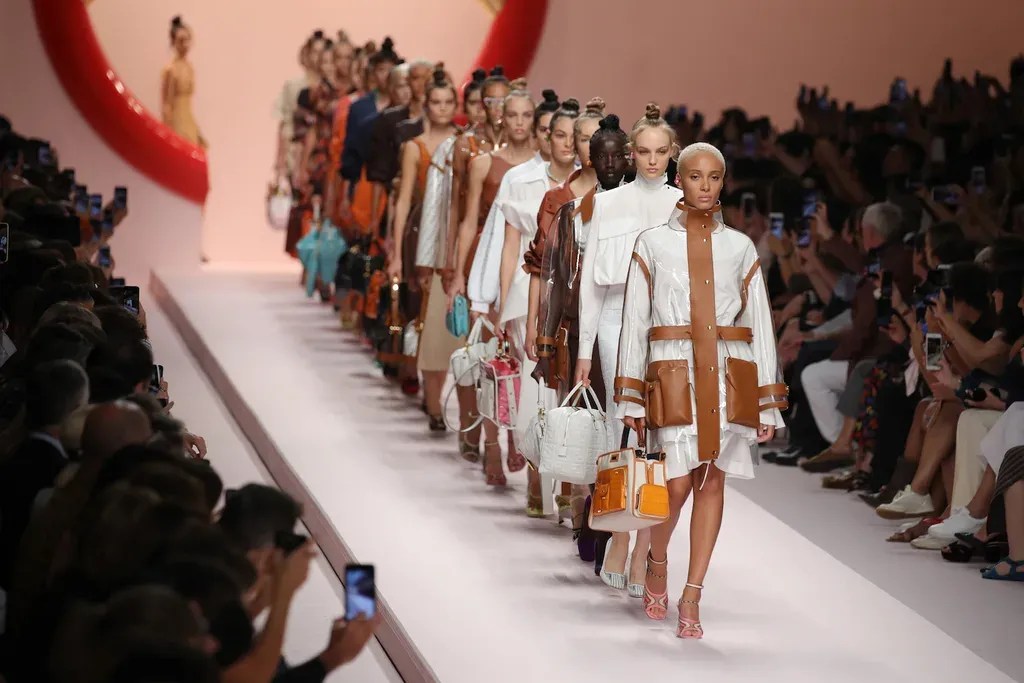
Fashion is often perceived as a visual indulgence—a fleeting obsession with what’s “in” and what’s “out.” But to reduce fashion to a parade of trends is to miss its deeper resonance. Fashion is an evolving art form, a socio-cultural language, and a personal manifesto. It is both personal and political, individual and universal. From the folds of a sari to the stitch of a designer jacket, fashion articulates who we are and how we engage with the world around us.
This layered complexity is what makes fashion endlessly fascinating. It’s not just about clothing the body, but also about expressing the soul.
The Origins and Evolution of Fashion
Fashion has existed for centuries, morphing in shape and spirit with every passing era. Each time period and civilization left its distinct sartorial imprint, reflecting its values, technologies, and philosophies.
From Function to Art Form
-
Ancient Civilizations: Clothing initially served a practical purpose—protection against the elements. Yet even in ancient societies like Egypt and Mesopotamia, garments carried symbolic meaning. Hieroglyphs often depicted pharaohs in linen robes adorned with gemstones to reflect power and divinity.
-
Greece and Rome: Draped togas and tunics were more than garments—they were signifiers of social class and philosophical ideals. Beauty, proportion, and order shaped their designs.
-
The Middle Ages: During feudal times, clothing denoted hierarchy and religious devotion. Sumptuary laws restricted certain fabrics and colors to the nobility.
-
The Renaissance and Enlightenment: Fashion flourished as an aesthetic pursuit. Embellished gowns, corsets, and wigs dominated the elite wardrobe, symbolizing wealth, intellect, and opulence.
As fashion evolved into the 20th century, it became a globalized, democratized, and experimental field, transcending gender, geography, and tradition.
Fashion as Cultural Reflection
Fashion does not exist in a vacuum. It is inextricably linked to the world around it. Cultural shifts, historical events, and societal transformations often find expression in clothing.
Fashion and Politics
-
The Flapper Dress (1920s): Short hemlines and dropped waists rebelled against Victorian modesty, reflecting the rise of women’s rights and the Jazz Age.
-
The Power Suit (1980s): Shoulder pads and tailored silhouettes mirrored the emergence of women in corporate spaces and their demand for authority.
-
Modern Modesty Fashion: Reflecting a fusion of faith, feminism, and fashion, modest wear has grown in popularity, championed by influencers and designers alike.
Fashion becomes a visual response to the times, whether it’s rejecting social norms or embracing new freedoms.
Fashion as Cultural Identity
-
Traditional garments—like the Japanese kimono, Nigerian agbada, or Scottish kilt—are living embodiments of heritage.
-
Fashion allows diasporic communities to stay connected to their roots while also adapting to new environments.
-
Cultural appropriation and appreciation are hotly debated, reinforcing the idea that fashion is not just clothing but cultural currency.
The Power of Personal Style
While culture shapes fashion, individuals re-shape it again through personal style. What we choose to wear daily says much about who we are—or aspire to be.
Fashion as Self-Expression
Your wardrobe is your non-verbal autobiography. It tells stories of:
-
Personality: Minimalist neutrals may speak of refinement, while eclectic prints might suggest creativity.
-
Mood: A bold red dress can convey confidence, a cozy cardigan comfort.
-
Lifestyle: Athleisure signals a fast-paced, wellness-oriented life; tailored suits may reflect professionalism and precision.
In an increasingly visual and digital world, personal style also becomes an identity marker in online spaces, from Instagram feeds to virtual meetings.
Subcultures and Style Tribes
Fashion unites communities. Subcultures throughout history have embraced fashion to create belonging:
-
Punk: A rebellion in leather, spikes, and DIY ethos.
-
Goth: Dark romanticism expressed through velvet, lace, and black eyeliner.
-
Hip-Hop: Streetwear, sneakers, and logos speak to roots, rhythm, and resistance.
Each subculture challenges mainstream fashion, only to be later co-opted, commercialized, and reinterpreted.
Designers as Storytellers
At the heart of the fashion world are the visionaries who use fabric like poets use words. Designers don’t just create clothes—they construct narratives.
Iconic Designers and Their Legacy
-
Coco Chanel: Revolutionized women’s fashion with simplicity, liberating them from corsetry.
-
Alexander McQueen: Fused darkness with beauty, creating dramatic, theatrical fashion that pushed artistic boundaries.
-
Issey Miyake: Blended technology with traditional craftsmanship, introducing pleats that combined comfort with elegance.
-
Rihanna (Fenty): Redefined inclusivity, making fashion that caters to every skin tone, size, and gender identity.
Their work demonstrates that fashion is not just trend-based, but rather a living archive of creativity and social commentary.
Ethical and Sustainable Fashion
In recent years, the fashion industry has faced scrutiny for its environmental impact, labor conditions, and unsustainable practices. Yet within this challenge lies an opportunity for transformation.
The Rise of Conscious Consumerism
Today’s consumers are more informed and intentional. Key movements include:
-
Slow fashion: Advocating for fewer, higher-quality pieces that last longer.
-
Circular fashion: Promoting recycling, reselling, and upcycling garments.
-
Ethical fashion: Demanding fair wages and safe working environments in supply chains.
-
Vegan and cruelty-free alternatives: Reducing reliance on animal-based products like leather and fur.
Innovative brands are using biodegradable textiles, blockchain for transparency, and AI to reduce overproduction.
The Digital Frontier of Fashion
Technology is revolutionizing fashion faster than ever before, introducing new paradigms and platforms.
The Influence of Social Media
Instagram, TikTok, and YouTube have turned everyday individuals into fashion authorities. Real-time feedback, viral trends, and influencer collaborations shape consumer behavior more than runway shows.
Fashion in the Metaverse
Digital fashion is emerging as a fascinating frontier:
-
Brands are designing digital-only outfits for avatars.
-
NFTs (non-fungible tokens) offer one-of-a-kind virtual garments.
-
Virtual fashion shows allow global audiences to participate in real-time.
The future wardrobe may include both physical and digital items—transforming how we define style in the 21st century.
Conclusion: Fashion as the Poetry of Appearance
Fashion is far more than vanity or luxury—it is a tapestry woven from threads of history, art, identity, and transformation. It has the power to challenge norms, unite people, and express the ineffable aspects of the human experience. As society continues to evolve, so too will fashion—shaped by technology, tempered by ethics, and enriched by diversity.
In the end, to understand fashion is to understand ourselves—not just what we wear, but why we wear it, and what that reveals about our collective journey.

 News Pulse Blog